
Beginner’s Affiliate Marketing Essentials
Understanding Affiliate Marketing Basics
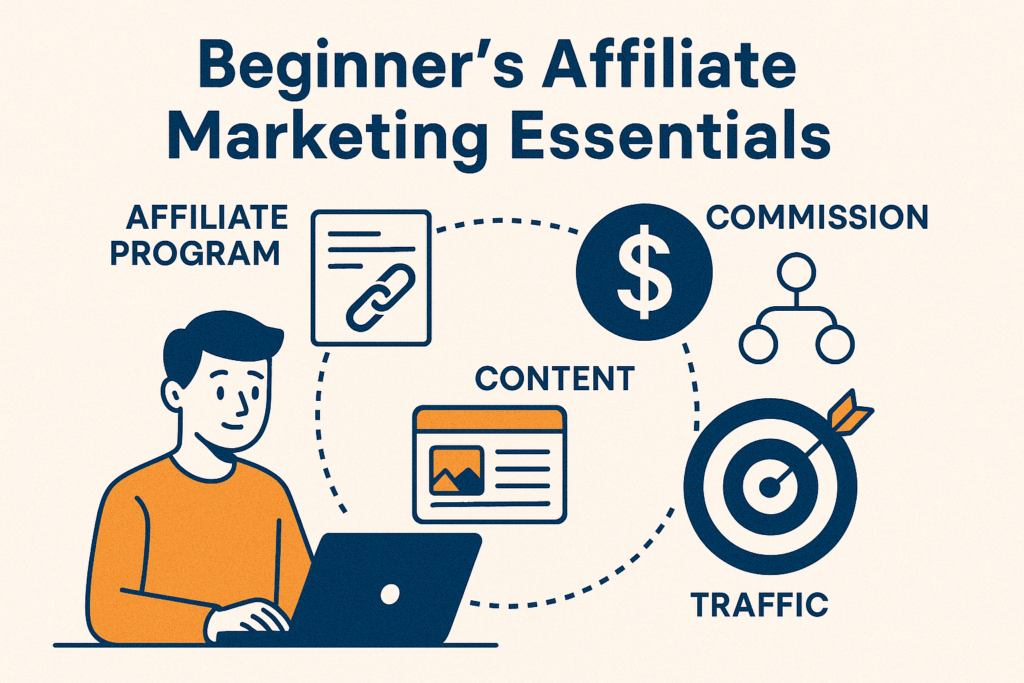
If you’re just dipping your toes into the world of affiliate marketing, you might be wondering what all the buzz is about. At its core, affiliate marketing is a performance-based business model where you earn a commission by promoting someone else’s products or services. It’s like being a middleman, but instead of just connecting buyers and sellers, you get paid for your efforts. This makes it an attractive option for many people looking to make some extra cash or even build a full-time income from home.
To get started, it’s essential to understand the key players in the affiliate marketing game. First, you have the merchant, who is the creator of the product or service. Then, there’s the affiliate, which could be you, promoting the product to potential customers. Finally, there’s the consumer, who buys the product through your unique affiliate link. This link tracks the sales you generate, ensuring you get credited for your efforts. It’s a win-win situation: the merchant gets more sales, and you earn a commission for your hard work.
Now, you might be wondering how to choose the right products to promote. This is where it gets exciting! Ideally, you want to select products that align with your interests or expertise. If you’re passionate about fitness, for example, promoting workout gear or nutrition supplements could be a natural fit. When you genuinely believe in the products you’re promoting, it becomes easier to create authentic content that resonates with your audience. Plus, your enthusiasm will shine through, making it more likely that people will trust your recommendations.
Once you’ve chosen your niche and products, the next step is to build your online presence. This could be through a blog, social media, or even a YouTube channel. The key here is to create valuable content that attracts your target audience. For instance, if you’re promoting skincare products, you might write blog posts about skincare routines, share tips on maintaining healthy skin, or create video tutorials. By providing useful information, you establish yourself as an authority in your niche, which can lead to increased trust and, ultimately, more sales.
As you start to create content, don’t forget about the importance of SEO, or search engine optimization. This is the process of optimizing your content so that it ranks higher in search engine results. By using relevant keywords and phrases, you can attract more organic traffic to your site. This means more potential customers seeing your affiliate links, which can translate into higher commissions. It might sound a bit technical at first, but there are plenty of resources available to help you learn the ropes.
Another crucial aspect of affiliate marketing is building an email list. This allows you to connect with your audience directly and promote products more effectively. When someone subscribes to your list, they’re expressing interest in what you have to say, which means they’re more likely to trust your recommendations. You can send out newsletters, exclusive offers, or even personalized product suggestions, keeping your audience engaged and increasing the chances of conversions.
In conclusion, affiliate marketing can be a rewarding venture if you approach it with the right mindset and strategy. By understanding the basics, choosing the right products, creating valuable content, optimizing for search engines, and building an email list, you’ll be well on your way to success. Remember, it takes time and effort to see results, so be patient and stay committed. With persistence and a little creativity, you can turn your affiliate marketing efforts into a thriving income stream.
Choosing the Right Affiliate Programs
When you’re diving into the world of affiliate marketing, one of the first and most crucial steps is choosing the right affiliate programs. It might seem overwhelming at first, especially with so many options available, but don’t worry; it’s all about finding the right fit for you. To start, think about your interests and passions. If you’re genuinely excited about a product or service, it’ll be much easier to promote it. For instance, if you love fitness, look for affiliate programs that offer workout gear, supplements, or online training courses. Your enthusiasm will shine through in your content, making it more engaging for your audience.
Next, consider the reputation of the affiliate programs you’re looking at. You want to partner with companies that are trustworthy and have a solid track record. A quick online search can reveal a lot about a program’s reliability. Look for reviews and testimonials from other affiliates. If you see a lot of positive feedback, that’s a good sign. On the flip side, if you come across numerous complaints or red flags, it’s best to steer clear. Remember, your credibility is on the line, so aligning yourself with reputable brands is essential.
Once you’ve narrowed down your options based on your interests and the reputation of the programs, it’s time to evaluate the commission structure. Different programs offer various commission rates, and understanding how they work can significantly impact your earnings. Some programs provide a flat fee for each sale, while others offer a percentage of the sale price. Additionally, consider whether the program has recurring commissions, which can be a fantastic way to build a steady income stream. If you can earn money every month from a subscription service, for example, that’s a win-win situation.
Moreover, think about the products or services you’ll be promoting. Are they high-quality and relevant to your audience? Promoting items that genuinely solve problems or enhance your audience’s lives will not only increase your chances of making sales but also help you build trust with your followers. If you’re recommending something you believe in, your audience is more likely to take your advice seriously.
Another important factor to consider is the support and resources provided by the affiliate program. Some programs offer extensive training materials, marketing tools, and even dedicated support teams to help you succeed. This can be incredibly beneficial, especially if you’re just starting out. Having access to resources like banners, email templates, and promotional strategies can save you time and help you hit the ground running.
Lastly, don’t forget to think about the program’s cookie duration. This refers to how long a tracking cookie remains active after someone clicks on your affiliate link. A longer cookie duration means you have a better chance of earning a commission, even if the customer doesn’t make a purchase right away. Ideally, look for programs with a cookie duration of at least 30 days.
In conclusion, choosing the right affiliate programs is a vital step in your affiliate marketing journey. By focusing on your interests, evaluating the reputation and commission structures, ensuring product relevance, and considering the support offered, you’ll be well on your way to finding programs that align with your goals. Take your time, do your research, and remember that the right partnerships can lead to a rewarding and profitable affiliate marketing experience. Happy promoting!
Essential Tools for Affiliate Marketing Success
When diving into the world of affiliate marketing, having the right tools at your disposal can make all the difference between success and frustration. So, let’s chat about some essential tools that can help you navigate this exciting journey. First off, you’ll want to consider a solid affiliate network. These platforms, like Amazon Associates or ShareASale, connect you with a plethora of products and services to promote. They not only provide you with unique affiliate links but also offer valuable insights into your performance, which is crucial for understanding what works and what doesn’t.
Once you’ve got your affiliate network sorted, the next step is to set up a website or a blog. This is your digital home base where you’ll share content, promote products, and engage with your audience. Platforms like WordPress or Wix make it super easy to create a professional-looking site, even if you’re not tech-savvy. Plus, having your own space allows you to build a brand and establish credibility, which is essential in the affiliate marketing game. As you create content, remember that quality is key. Tools like Grammarly can help you polish your writing, ensuring that your posts are not only engaging but also free of errors.
Now, let’s talk about content creation. Whether you’re writing blog posts, making videos, or crafting social media updates, having the right tools can streamline your process. For instance, Canva is a fantastic resource for creating eye-catching graphics that can enhance your content. Visuals are incredibly important in capturing attention, so don’t underestimate their power. Additionally, if you’re venturing into video marketing, tools like Adobe Premiere Rush or iMovie can help you edit your videos with ease, making them look professional without requiring a degree in film.
As you start to generate traffic to your site, you’ll want to keep an eye on your analytics. Google Analytics is a must-have tool that provides insights into your audience’s behavior, helping you understand which content resonates most with them. By analyzing this data, you can refine your strategies and focus on what drives conversions. Moreover, tracking your affiliate links with tools like Bitly can help you see which links are performing best, allowing you to optimize your promotions accordingly.
Speaking of promotions, social media is a powerful ally in the affiliate marketing realm. Platforms like Instagram, Facebook, and Pinterest can help you reach a wider audience. To manage your social media presence effectively, consider using scheduling tools like Buffer or Hootsuite. These platforms allow you to plan and automate your posts, ensuring that you maintain a consistent presence without feeling overwhelmed.
Lastly, don’t forget about email marketing. Building an email list is one of the most effective ways to engage with your audience and promote your affiliate products. Tools like Mailchimp or ConvertKit can help you create beautiful email campaigns that keep your subscribers informed and interested. By nurturing your email list, you can foster a loyal community that trusts your recommendations.
In conclusion, while the world of affiliate marketing can seem daunting at first, having the right tools can simplify the process and set you up for success. From affiliate networks and website builders to content creation and analytics tools, each element plays a vital role in your journey. So, take your time to explore these resources, and remember that consistency and quality are your best friends in this exciting venture. Happy marketing!